
By Ananya Garg
Japan is known for its unique take on Christmas – a secular, commercial, and romantic holiday. But what are its origins? Why is it celebrated as yet another Valentine’s Day? Today, very few Japanese are Christian, mainly due to the historic policies of the ruling shogunate, which saw Christianity as a political threat to its authority and national stability, leading to its brutal suppression and a nationwide ban for over 250 years. As a result, Christmas is now perceived more as a day for couples to go on fancy dinners, exchange lavish gifts, and enjoy illuminations, while its religious significance is slight.
What was the history of Christmas in Japan?
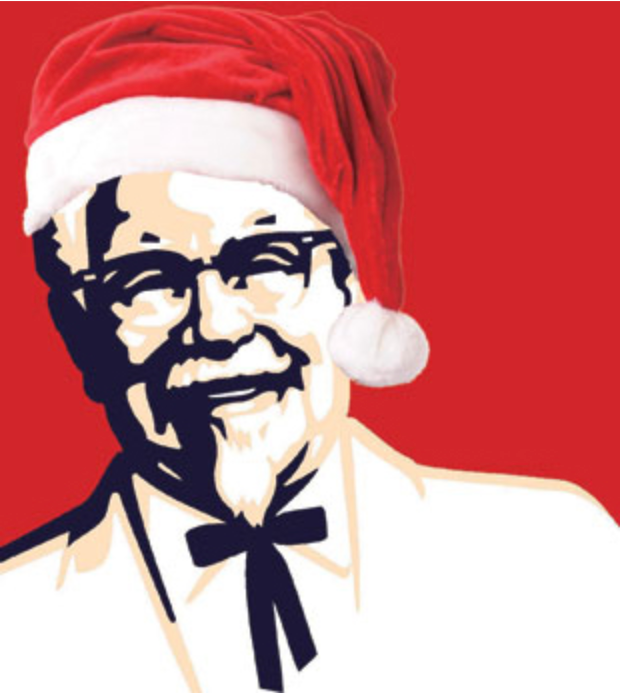
The history of Christmas in Japan dates back to the 16th century, when missionaries, such as Francis Xavier, first introduced Christianity to the country through Nagasaki (though it did not become a predominantly practised religion, and later faced suppression, as mentioned). It wasn’t until the Meiji Restoration that Western influences began to revive Christmas traditions. After World War II, driven by the nation’s economic boom, the holiday became a major commercial celebration. By the 1960s and 1980s, it had shifted from a religious holiday celebrated only by Christians to an event focused on shopping, romance, special dinners (such as KFC), and festive lights, fueled by department stores and clever marketing (seriously though, Japan was somehow able to creatively fill the lack of Christmas tradition by turning it into a commercial holiday with unique, and beloved customs, especially with their 1974 campaign “Kurisumasu ni wa Kentakkii!”, translating to “Kentucky for Christmas!”).
What are some foods eaten in Japan for Christmas (or should I say Valentine’s Day 2.0)?
Now, speaking of Kentucky Fried Chicken, interestingly enough, the problem people faced with turkeys was that there were few ovens in Japanese homes, and turkey is not a traditional food; therefore, KFC devised a solution, marketing fried chicken as the perfect, convenient Christmas dinner, filling the cultural gap. The result was an iconic tradition of Japanese families pre-ordering chicken months in advance and lining up for hours, making KFC a Christmas dinner staple.
Another famous dessert eaten in Japan during the Christmas season is a strawberry shortcake (ichigo shortcake) that resembles the national flag, and is enjoyed by many on Christmas Eve as a festive, romantic treat. Eating KFC and strawberry shortcakes may not be the most romantic for couples, compared to candlelight dinners, but it is definitely an iconic tradition that will continue to take place in Japan, nonetheless.
How did Christmas become a romantic holiday in Japan?
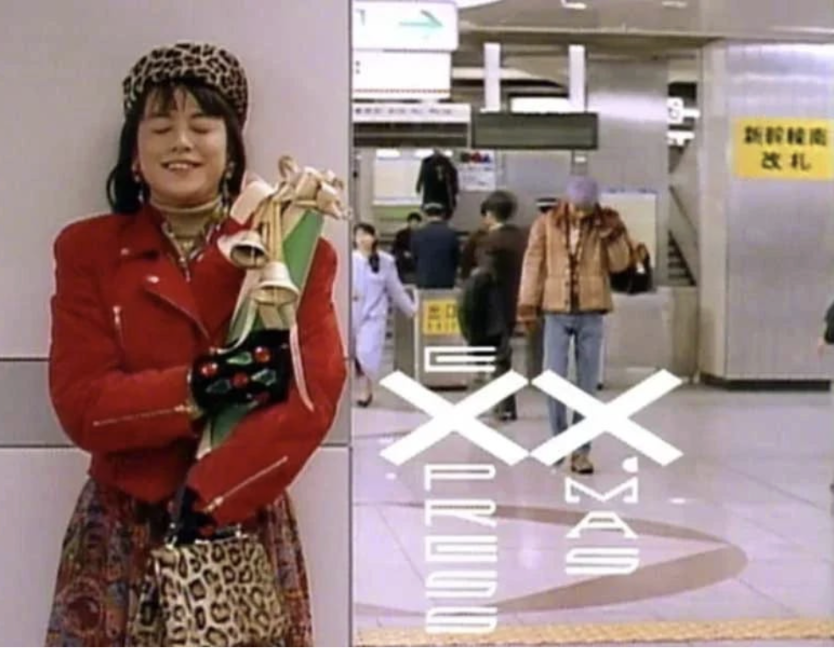
Since Christmas in Japan is not a religious holiday, and is a secular event heavily marketed as a couple’s celebration, it is comparable to Valentine’s Day. Well-known advertisements from the 1980s, like JR Tokai’s renowned “Christmas Express” marketing campaign, helped cement this. The advertisement is about a 17-year-old girl who waits at a train station for her boyfriend to arrive on Christmas Eve so that they can celebrate together; thus, the holiday is gaining popularity as a romantic night for couples.
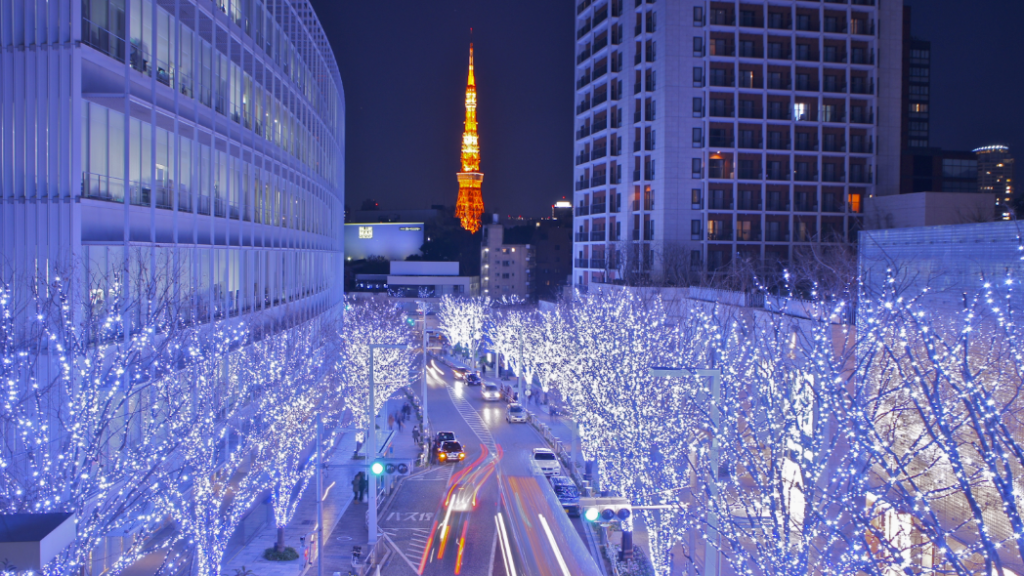
Japan is a society that highly values aesthetics; therefore, festive displays and illuminating lights are the perfect combination for an ultimate romantic white Christmas. Many activities are done by couples on Christmas Eve and day, such as illuminations around Tokyo Bay, fancy dinners (or KFC, which would be my kind of fancy dinner), theme park events such as Disneyland and Universal Studios Japan, and exploring European-style Christmas markets.
In conclusion, Japan’s Christmas is a fascinating example of how a global tradition of great cultural significance can be reimagined through history and marketing. With the country’s limited Christian population, Western influence, and creative advertising, Christmas has evolved into a celebration of romance, aesthetics, and shared experiences rather than religion. From couples enjoying dazzling illuminations and exchanging lavish gifts, to lining up for the iconic KFC Christmas dinner and sharing strawberry shortcake. This transformation explains why Christmas in Japan feels less like a religious holiday and more like a second Valentine’s Day, a modern Japanese way of celebrating love and the holiday.