By Abigail Shiau and Enxiao Wang
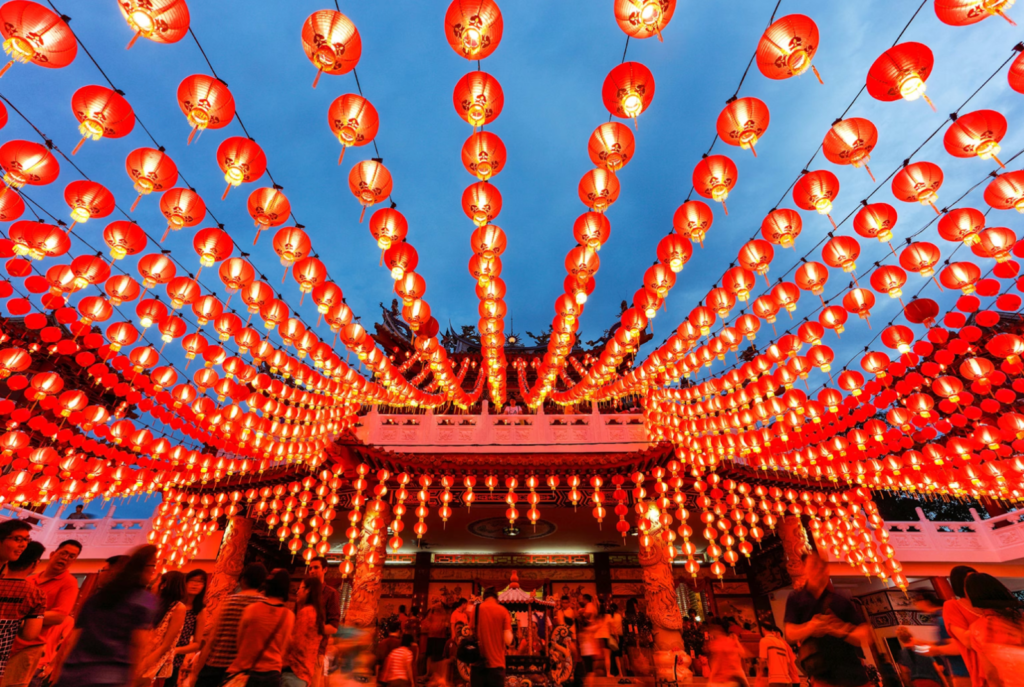
Chinese New Year, often called Lunar New Year, is a holiday celebrated on the first day of the year, or January 1st. Unlike the ordinary New Year’s Day that follows the Gregorian calendar, the Lunar New Year is celebrated on the first day of the Lunar calendar. People around the world, especially Chinese people, celebrate the Lunar New Year by decorating their homes in red and sticking a 福 sign on their doors, which symbolizes blessing and good fortune.
The Lunar New Year is celebrated on a different date every year due to the lunar calendar’s unique way of tracking time using the moon’s phases. This year, it is on the 17th of February. This celebration is one of the most important and celebrated ones in China. Over time, the Lunar New Year has become internationally recognized. For instance, in Singapore, the Lunar New Year is considered a public holiday, meaning that all schools will be shut down for at least 2 days during the celebration.
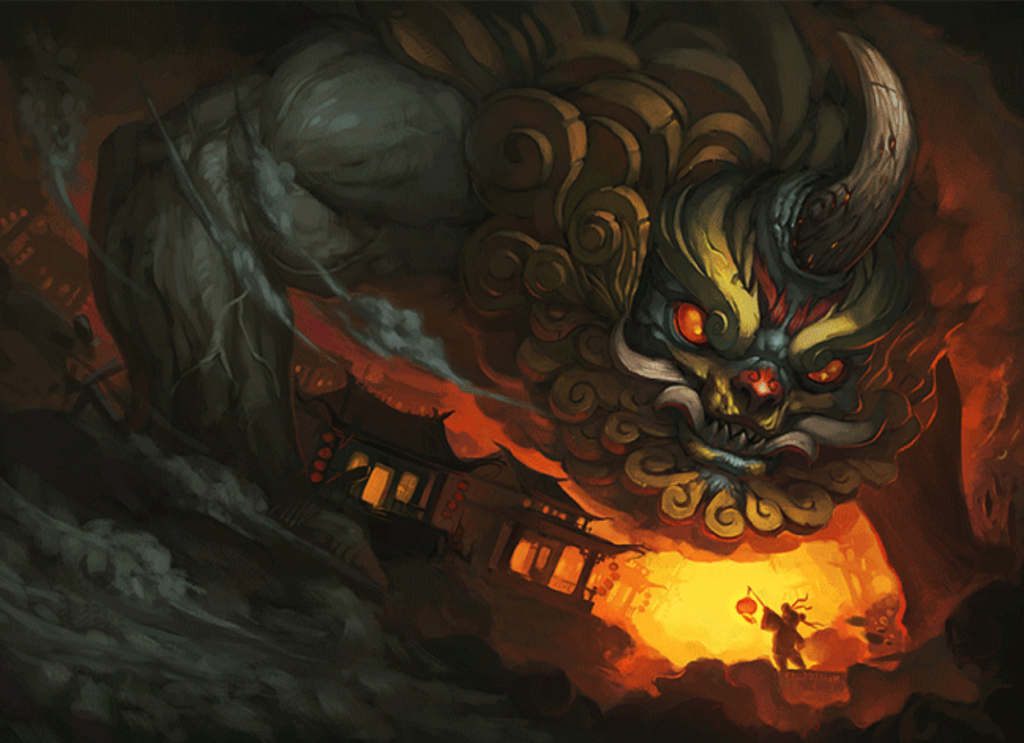
The history of the Lunar New Year started about 3000 years ago, with a beast named “Nian (年)”, which means “year” in Chinese. According to Chinese mythology, the beast would attack villagers with its sharp teeth. The beast resembles a lion, a unicorn, and an ox since they share similar features. However, people in the villages discovered that the beast was afraid of loud noises and the colour red, which birthed traditions of wearing red and setting off fireworks. Additionally, families would give money to ward off bad luck.
Many of these traditions carry on in modern times, weaving a variegated mosaic of customs. Celebrations can vary across cultures, each abundant in a different way. However, we ourselves possess Chinese heritage, so we will be focusing on how our culture celebrates.
Lunar New Year is generally celebrated for three days: Lunar New Year’s Eve, Lunar New Year, and the Second Day of Lunar Year, which will take place on the 16th, 17th, and 18th,, respectively, this year. Families gather together, sport red clothing for prosperity, and hold large celebrations completed by joy and “lucky” foods such as dumplings and mandarin oranges, which are considered fortunate for the shape of the former, which resemble ancient Chinese gold or silver ingots (元宝) and . Hongbao (红包), small red envelopes with money encased, are exchanged between friends and family, with amounts depending on the level of intimacy.
Close relatives are given 1000 yuan (~200 SGD) and distant relatives are given 500 yuan (~100 SGD). Games such as mahjong and poker are well-received in festivities amongst friends and family, allowing for friendly competition and a healthy dose of gambling upon the hongbao money you just received.
As very international individuals, our exposure to different cultures has helped our perception of Lunar New Year become one shaped by experience, rather than culture; molded by the presence of loved ones and the warmth associated with storge (familial love) and philia (love between friends), as per the Greeks.
While we have grown to love the festivities surrounding it, the Lunar New Year is, to us, our way of connecting with the tapestry of our culture. While we are both ethnically Chinese, we grew up in North America, and our perception of the different experiences that compose our identity often relies upon the vivid imagery that each moment blooms. That feeling of being seated next to a relative – a cousin, perhaps, or a grandfather, clinking glasses together with ebullient exclamations of ‘cheers!’, watching the steam of gourmet food travel as it is brought to the table, shopping for new clothes in a sea of crimson, and heart chanting promises for the New Year; for love, for laughter, for life. It is the beauty of happiness that truly lingers.
2026 has already crossed the threshold of weeks, and so I implore you to live each day, not like it’s your last, but rather like it’s your first. Our “second” new year approaches cheerily, and each day before and after it is worth a lifetime.